
10 Herbs for Beginner Herbalists - Tradition, Energetics, Science & Ways to Use Them
- Jordan Thomas

- Dec 6, 2025
- 6 min read
Updated: Feb 9
Herbs For Beginners
These ten herbs for beginners are perfect companions for anyone beginning a herbal practice. They’re approachable, tactile, and rich with history - each carrying its own energetic signature and a small body of modern research you can explore. Below you’ll find practical ways to meet them: through tea, scent, ritual, and simple preparations.

1. Chamomile (Matricaria chamomilla)
Energetics: Cooling · Softening · Gentle · Calming
Tradition: Chamomile has been used across Europe and beyond as a bedtime herb, a calming tea, and a flower for softening tense evenings. It’s woven into folk remedies, children’s teas, and ritual baths for peace.
Science-Aware Notes: Chamomile contains flavonoids such as apigenin and other constituents that research has associated with mild calming and digestive-soothing effects. Studies often highlight chamomile’s value as a gentle, sensory way to support relaxation.
Suggested Methods of Application:
Infusion (tea): steep flowers 5–10 minutes; drink in the evening.
Bath: add a strong infusion to calm body and mind.
Infused oil / compress: for gentle topical comfort or eye compresses.
Sachet: dry flowers in a pouch for pillow or drawer scent.
2. Lemon Balm (Melissa officinalis)
Energetics: Cooling · Uplifting · Bright · Gentle
Tradition: Lemon balm has been called a “joy herb” in monastic gardens and domestic apothecaries for centuries. Herbalists used it to lift spirits, soothe nervous tension, and flavour calming tonics.
Science-Aware Notes: Lemon balm contains rosmarinic acid and aromatic components that research suggests may support mild reductions in stress and promote cognitive calm in some contexts. It’s often studied as a gentle herb for mood support.
Suggested Methods of Application:
Tea: a bright, gentle infusion for evening or afternoon calm.
Aromatic steam / diffuser: inhale the scent for immediate uplift.
Infused oil / glycerite: for topical calm or gentle internal preparations (use appropriately).
Cold infusion: chilled lemon balm water is refreshing and mood-lifting.
3. Peppermint (Mentha × piperita)
Energetics: Cooling · Stimulating · Clearing · Crisp
Tradition: Peppermint has been a kitchen staple and folk remedy for digesting heavy foods, reviving the senses, and clearing mental fog. It’s long associated with freshness and alert clarity.
Science-Aware Notes: Peppermint’s main aromatic compounds, menthol and menthone, are well studied for their ability to impart a cooling sensation, help relax smooth muscle, and support mild digestive comfort. Aromatic inhalation also encourages alertness.
Suggested Methods of Application:
Tea / infusion: for a bright, cooling cup.
Steam inhalation: drop leaves in hot water and breathe the vapour.
Culinary: fresh or dried in food, syrups, or infused honey.
Aromatic sachet or inhaler: for quick refreshment.
4. Rosemary (Rosmarinus officinalis)
Energetics: Warming · Stimulating · Clearing · Protective
Tradition: Rosemary carries a long symbolic history — associated with memory, fidelity, and protection. It’s been used in ritual bundles, hair rinses, and household cleansings for clarity and energetic clearing.
Science-Aware Notes: Rosemary contains compounds such as carnosic acid and 1,8-cineole; research explores antioxidant properties and potential cognitive/supportive actions. It’s often studied for its invigorating aroma and physiological effects linked to alertness.
Suggested Methods of Application:
Tea / infusion: small, invigorating cups for focus.
Steam / inhalation: rosemary in steam to open the head and encourage clarity.
Infused oil or hair rinse: aromatic topical use.
Ritual bundle / incense: for protective or clearing ritual work.
5. Lavender (Lavandula spp.)
Energetics: Cooling · Calming · Harmonising · Soothing
Tradition: Lavender has been a household and ritual herb for centuries: tucked into linens, added to baths, burned or steeped to encourage rest and emotional ease.
Science-Aware Notes: Lavender’s aromatic constituents (like linalool) are widely researched in aromatherapy for relaxation, sleep support, and mild reductions in stress markers. It’s a gentle, accessible introduction to scent-based herbal work.
Suggested Methods of Application:
Tea / infusion: a gentle cup to slow the mind.
Pillow sachet / linen spray: scent for sleep.
Bath / bath salts: soak to release tension.
Diffuser / diluted essential oil: for calming the space.
6. Calendula (Calendula officinalis)
Energetics: Warming · Moistening · Soothing · Nourishing
Tradition: Calendula — the golden sunflower-like petals — features in folk apothecaries for skin care, comfort, and warmth. It’s used in infused oils, salves, and soothing baths.
Science-Aware Notes: Calendula contains flavonoids and triterpenes; studies often acknowledge its topical soothing and skin-supportive properties. It’s commonly used as a gentle external herbal ally.
Suggested Methods of Application:
Infused oil / salve: calendula oil for dry or sensitive skin.
Tea / infusion: mild internal comfort and ritual drink.
Bath petals: float into a bath for sensory ritual.
Compress: for gentle skin or lymphatic easing.
7. Holy Basil (Tulsi - Ocimum tenuiflorum)
Energetics: Aromatic · Uplifting · Balancing · Sacred
Tradition: Tulsi is revered in Ayurvedic and household spiritual practice as a plant of protection, balance, and daily ritual. Whole communities have kept it as a living altar plant for generations.
Science-Aware Notes: Tulsi contains eugenol, rosmarinic acid, and other aromatic compounds. Research often explores its adaptogenic-like qualities, antioxidant activity, and potential support for emotional resilience and balanced stress response.
Suggested Methods of Application:
Tea: daily ritual for clarity and calm.
Fresh leaves: chewed or steeped for immediate aromatic lift.
Tincture: for on-the-go support (use per guidance).
Aromatic steam / ritual offering: place leaves on altars or in steam for clearing.
8. Mugwort (Artemisia spp.)
Energetics: Warming · Bitter · Opening · Dreamy
Tradition: Mugwort is steeped in dreamwork, divination, and folk magic — used in dream pillows, smudges, and journeys. It also appears in digestive and seasonal folk uses.
Science-Aware Notes: Mugwort contains volatile oils and compounds (including thujone in some Artemisia species). Research touches on its aromatic action and traditional digestive uses, but it’s a herb to approach with respect (avoid in pregnancy; dose carefully).
Suggested Methods of Application:
Tea (small amounts): for dreamwork or evening ritual (use cautiously).
Dream pillow / sachet: tuck under pillow for dream-focused nights.
Smudge / smoke cleansing: traditional folk use for space clearing.
Foot soak / ritual steam: for gentle opening before meditation.(Caution: not for use in pregnancy; consult reliable sources.)
9. Stinging Nettle (Urtica dioica)
Energetics: Drying · Strengthening · Mineral-rich · Grounding
Tradition: Nettle is a spring tonic in many traditions — a plant of resilience, seasonal renewal, and everyday nourishment. It’s also a fibre and food plant in many cultures.
Science-Aware Notes: Nettle leaves are rich in minerals, vitamins, and flavonoids; research often highlights nutritional value, supportive roles in seasonal comfort, and topical uses. Historically celebrated as a tonic.
Suggested Methods of Application:
Long infusion / nettle tea: to draw minerals and flavour out gently.
Cooking: like spinach — in soups, stews, or pesto.
Dried powder: for adding to smoothies or broths.
Topical rinse: nutrient-rich infusions for hair or baths.
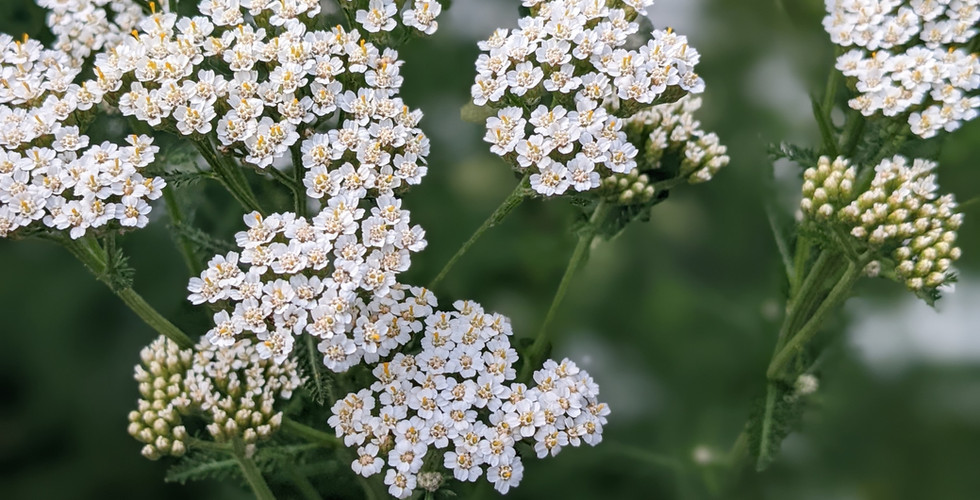
10. Yarrow (Achillea millefolium)
Energetics: Warming · Drying · Circulating · Protective
Tradition: Yarrow is a long-beloved herb of protection, boundary-work, and wound lore. It appears in folk medicine and ritual for its strong, clarifying energy.
Science-Aware Notes: Yarrow contains azulene-like compounds, flavonoids, and tannins; ethnobotanical research often notes its historical use for circulation, wound care, and energetic boundary work. It’s a classic hedge-herb.
Suggested Methods of Application:
Tea / infusion: for ritual or circulation support (mindful dosing).
Poultice (historical/folk): used traditionally for minor wounds (research and safe practice recommended).
Tincture / energetic ally: small amounts for ritual boundary practices.
Bath / cleanse: used in folk baths for protective cleansing.


🌙 How to Explore These Herbs Mindfully
Observe their colour, texture, and shape.
Smell both fresh and dried leaves — scent teaches energetics quickly.
Brew simple teas and notice what shifts in your mood or body.
Touch and handle herbs with reverence — your hands are part of the medicine.
Journal impressions: scent, flavour, energetic tone, and how your day changed.
Respect cautions: avoid certain herbs in pregnancy, consult trusted references, and source high-quality plants.
A Gentle Path Forward
These ten herbs are friendly teachers: some soothe, some spark, some clear, some ground. Blending tradition, energetics, and an evidence-aware perspective helps us meet plants with curiosity and respect.
More Herbs for beginners to Explore
1. Plantain (Plantago major / lanceolata)
Great for: salves, poultices, skin soothing, insect bites Energetics: cooling, drawing, moistening
2. Marshmallow Root (Althaea officinalis)
Great for: infusions, syrups, gut-soothing mixes Energetics: cooling, moistening, demulcent
3. Ginger (Zingiber officinale)
Great for: teas, decoctions, kitchen herbalism Energetics: warming, stimulating
4. Cinnamon (Cinnamomum verum)
Great for: infusions, tonics, spice blends Energetics: warming, sweet, aromatic
5. Hibiscus (Hibiscus sabdariffa)
Great for: tart teas, iced blends, beauty blends Energetics: cooling, sour, moistening
6. Spearmint (Mentha spicata)
Great for: teas, blends, digestion Energetics: cooling, aromatic
7. Red Clover (Trifolium pratense)
Great for: infusions, skin blends, nutritive mixes Energetics: cooling, sweet, moistening
8. Oatstraw (Avena sativa)
Great for: long infusions, stress support, nourishment Energetics: cooling, moistening, sweet
9. Raspberry Leaf (Rubus idaeus)
Great for: teas, nutritive blends Energetics: astringent, neutral, strengthening
10. Sage (Salvia officinalis)
Great for: teas, culinary blends, throat gargles Energetics: warming, drying, aromatic
11. Thyme (Thymus vulgaris)
Great for: steams, teas, culinary herbalism Energetics: warming, aromatic
12. Echinacea (Echinacea purpurea)
Great for: tinctures, decoctions, immune education Energetics: cooling, stimulating, tingling
13. Rosehip (Rosa canina)
Great for: syrups, teas, vitamin-rich blends Energetics: cooling, sour
14. Elderflower (Sambucus nigra)
Great for: teas, face steams, seasonal blends Energetics: cooling, drying, floral
15. Lemon Verbena (Aloysia citrodora)
Great for: uplifting teas, relaxing evening blends Energetics: cooling, aromatic
or


Comments