


English vs Spanish Bluebells: Two Bluebells, Two Stories

Updated: Jul 22
The bluebells in the woods
I found these tucked into the woods. Not in neat patches, not planted, just there, woven into everything else. They don’t shout for attention. You notice them slowly.
The stems bend, just slightly. The flowers fall to one side, like they’re bowing.
Each bell curls back at the edges, soft and deliberate.
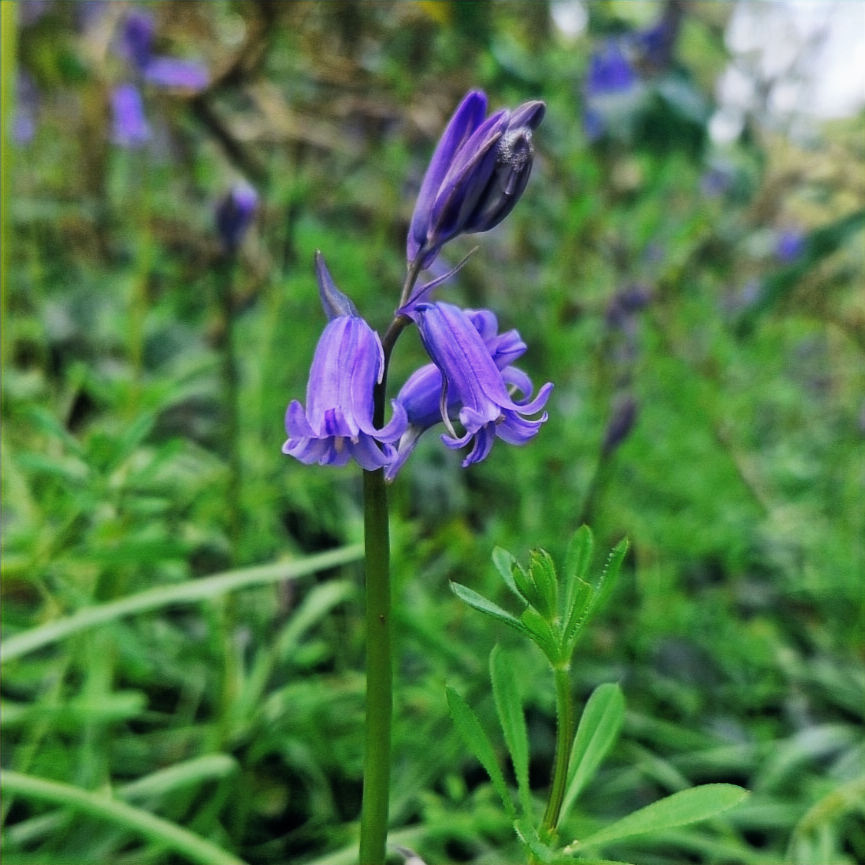
These are English bluebells—Hyacinthoides non-scripta. A native woodland plant, and one that tends to stay where time has been left mostly alone.
When they appear in numbers like this, it usually means something older is underneath. Not just trees, but continuity. A place that hasn’t been turned over and reset too many times.
The bluebells outside my house
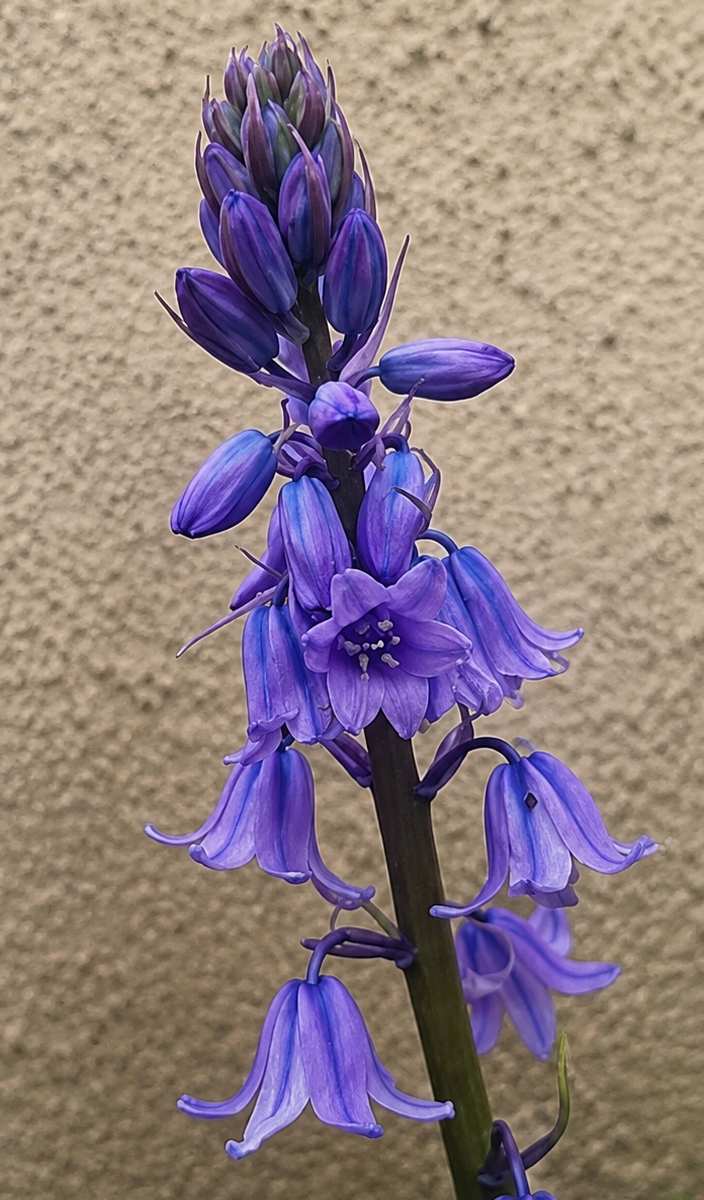
And then there are these.
Growing wild just outside my house.
No one planted them.
No one tends them. They’ve simply… settled.
At first glance, they look the same.
Same colour. Same shape. Same name.
But look a little longer.
The stems stand upright. The flowers wrap all the
way around instead of falling to one side.
The petals are more open, less curled, less reserved.
These are Spanish bluebells.
Not native to the UK, but very good at making themselves at home.
Same name, different stories
They’re both called bluebells.
But they don’t feel the same.
The woodland ones are quieter. They sit low in the landscape,
part of something layered and old.
The ones outside my house feel more certain of themselves.
More structured. More visible. Like they’ve arrived rather than emerged.
Neither is wrong. But they didn’t get here the same way.
What “wild” really means
This is where it gets a bit blurred.
Because the ones outside my house are wild. They’re growing on their own, spreading without help.
But “wild” doesn’t always mean "native".
Some plants arrive, settle, and over time stop needing us. They become part of the landscape, even if they didn’t begin there.
Spanish bluebells were originally brought over as garden plants. Now they spread easily, moving beyond fences and into verges, edges, and sometimes even woodland.
Given enough time, things naturalise. They start to feel like they’ve always been there.
A quiet kind of change
Sometimes the two don’t stay separate.
English and Spanish bluebells can cross, creating hybrids that sit somewhere in between, not quite one, not quite the other.
It’s not dramatic. No sudden disappearance. No clear boundary.
Just a slow blending.
And over time, the very specific shape of the native bluebell—the droop, the curl, and the one-sided flowers—can become harder to find.
Noticing is enough.
This isn’t about pulling things out or drawing hard lines.
It’s about noticing.
The slight curve of a stem. The direction the flowers fall. The feeling of a place before you even know why it feels different.
Because once you see it, you can’t really unsee it.
Two bluebells. Same colour. Same season.
But telling completely different stories.
How to tell the difference (quick guide)
English bluebell (native)
Flowers mostly on one side
Stem gently curved
Petals curl back at the tips
Usually found in woodland
Spanish bluebell (non-native)
Flowers all around the stem
Upright, straighter stem
More open petals
Often found in gardens, verges, and urban edges
Sometimes what grows wild didn’t start that way.
And sometimes the woods are holding onto things that the rest of the landscape has already begun to forget.
Comments